
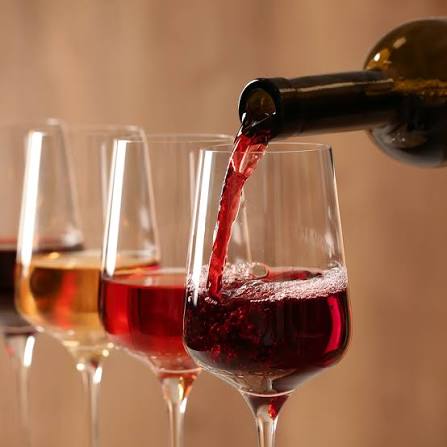
Wine is an alcoholic beverage made through the fermentation of grapes or grape juice. Different grape varieties, growing regions, production methods, and aging techniques influence wine’s color, aroma, flavor, acidity, sweetness, and texture. Crush Pad Wines is a downtown mall Charlottesville wine bar.
What Are the Main Types of Wine?
Wine is commonly divided into several categories.
Red wine is generally made by fermenting grape juice with grape skins, which contribute color and tannins.
White wine is usually produced with limited skin contact, creating a range of styles from crisp and light to rich and full-bodied.
Rosé wine receives limited color extraction from red grape skins, producing shades ranging from pale pink to deeper rose.
Sparkling wine contains carbon dioxide that creates bubbles. Production methods and styles vary by region.
Dessert wine generally refers to wines with significant sweetness, although production methods differ.
Fortified wine has additional distilled spirit added during production, creating distinctive alcohol levels and flavor profiles.
What Determines a Wine’s Flavor?
Wine flavor depends on grape variety, climate, soil, ripeness, fermentation, aging, and production decisions.
Acidity creates a fresh or crisp sensation, while tannins can produce a drying feeling in the mouth. Sweetness varies from dry to sweet, and body describes how light or rich a wine feels.
Aromas may include fruit, flowers, herbs, spices, or notes associated with aging. These characteristics vary considerably, even among wines made from the same grape variety.
How Is Wine Paired With Food?
Food pairing considers acidity, sweetness, richness, intensity, texture, and flavor.
A crisp white wine may complement seafood or lighter dishes, while a fuller-bodied red may work with rich sauces or certain roasted foods. Sweet wines can complement desserts when their sweetness is sufficient to balance the dish.
However, wine pairing is subjective. Personal preference, preparation methods, seasoning, and sauce ingredients can matter as much as the main ingredient.
Nonalcoholic beverages can also provide enjoyable alternatives for meals and celebrations.
How Should Wine Be Stored?
Wine storage requirements depend on the wine’s style, closure, and intended aging period.
For wines intended to be aged, a stable, cool environment away from direct sunlight and significant temperature fluctuations is generally preferable.
After opening, reseal the bottle and refrigerate suitable wines to slow deterioration. How long wine remains enjoyable depends on its style, exposure to oxygen, storage conditions, and personal preference.
Follow local laws regarding alcohol purchase and consumption. Alcohol carries health risks, and people who do not drink should not start for perceived health benefits.
Frequently Asked Questions
What is the difference between red and white wine?
The main differences include grape varieties, skin contact during production, and resulting color, tannin levels, and flavor characteristics.
Does expensive wine always taste better?
No. Price can reflect production, origin, scarcity, and reputation, but taste remains subjective.
How can beginners understand wine flavors?
Learning basic terms such as dry, sweet, acidic, tannic, light-bodied, and full-bodied can make wine descriptions easier to understand.
