
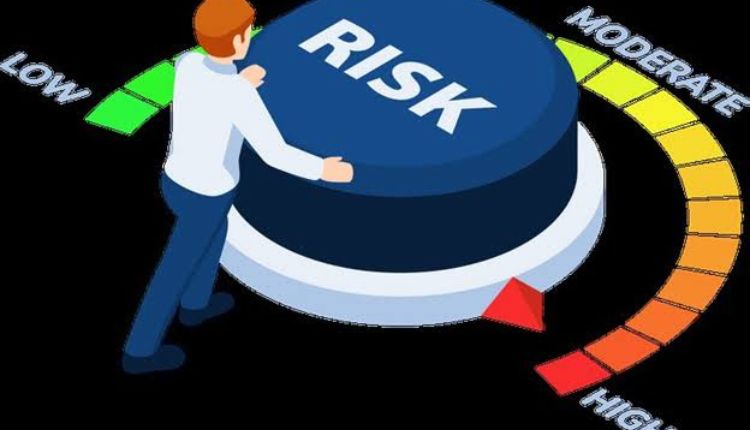
Most newcomers spend their energy on finding opportunities and almost none on protecting themselves. Yet experienced participants know that survival comes first, because capital that is lost cannot compound. Those who scan intraday stocks for today without any risk plan often discover how quickly small mistakes multiply. Even people interested in long term stock picks can suffer if they ignore position size and diversification. A written risk framework turns uncertainty into something manageable, and this article shows how to build one.
Start With Money You Can Afford to Commit
Create a risk management strategy before you even start looking at the screen. You can do this by thinking about your monthly income, necessary costs and loan repayments. Have a minimum 6-month emergency fund saved and have appropriate health and term insurance. Once you’ve done this, take care of the equity investing.
The rule of thumb is to invest what you aren’t going to require for several years. If you’re going to be stressed about losing an amount of money which would affect your family or disturb your sleep, then its too high. You don’t need to worry about deciding this amount by keeping the amount low.
Risk Per Stock
Typically, professional traders will have small percentages allocated for risky ideas, this is usually 1-2% or less. This reduces the risk of losing large amounts due to one trade not going in your favour. Set stop-loss levels which you would exit at if your thesis doesn’t go through, work out how much you’re losing per share and set your position sizes accordingly.
With long-term investing, there is a maximum amount invested per company. Many people will favour between 5-10% based on your confidence and how good the company is. This way you won’t fall into the trap of letting one disillusionment cause you to lose years of progress.
Stop Loss Limits
A stop loss is a number you’ll exit at to reduce any damage. This is fundamental for active traders. Set your stop-loss at a point for when your investing logic fails. With high volatility stocks or low-liquidity stocks be careful that your stop loss will be triggered at an unfair price.
Long term investors may prefer to use fundamental triggers, for example if margins are falling consistently, governance is an issue, debt is increasing or there has been an industry structural change. You can create planned triggers to help reduce the urge to panic or hold onto your investment.
No Leverage Until Experienced
Using borrowed money increases your risk. Using margin facilities or derivatives can cause you to lose a significant chunk of your position quickly. You’re likely to be forced to sell at an unfair price. Many losses in India have occurred due to excessive leverage.
Until you’re experienced with investing (having several years of consistent experience) use personal money. When you do start using leverage keep it at a small amount within tight limits.
Diversification
Having a varied portfolio will reduce reliance on one outcome. If you have exposure to different sectors- banking, technology, consumer, healthcare, manufacturing and energy your portfolio will react differently to if you only had one theme. Adding mutual/index Funds will help diversify.
Having multiple stocks does not mean you’re diversified. Ten companies with similar reliance on one trend will still move similarly. Look at the underlying reasons and don’t overlap.
Behaviour Management
The hidden risk of investing is your emotions. Fear can cause you to sell too early, greed can cause large positions and boredom can cause you to make unnecessary trades. Reduce your risk by limiting the amount of trades you make each day. Do not make decisions straight after large wins/losses. Set a date to look at your portfolio.
Keep a journal recording why you made each trade. This can help you recognise patterns in your mistakes.
Consider Worst Case Scenarios
Think about how you’d react if the market dropped 25% over several months. What would you do if you lost your job during a downturn? By having answers planned out ahead of time, like having enough cash and not selling long-term investments during stressful times, you won’t make impulsive decisions.
Review your strategy every year at least or after major life events. As your income, goals and responsibilities change, your risk should also change.
