
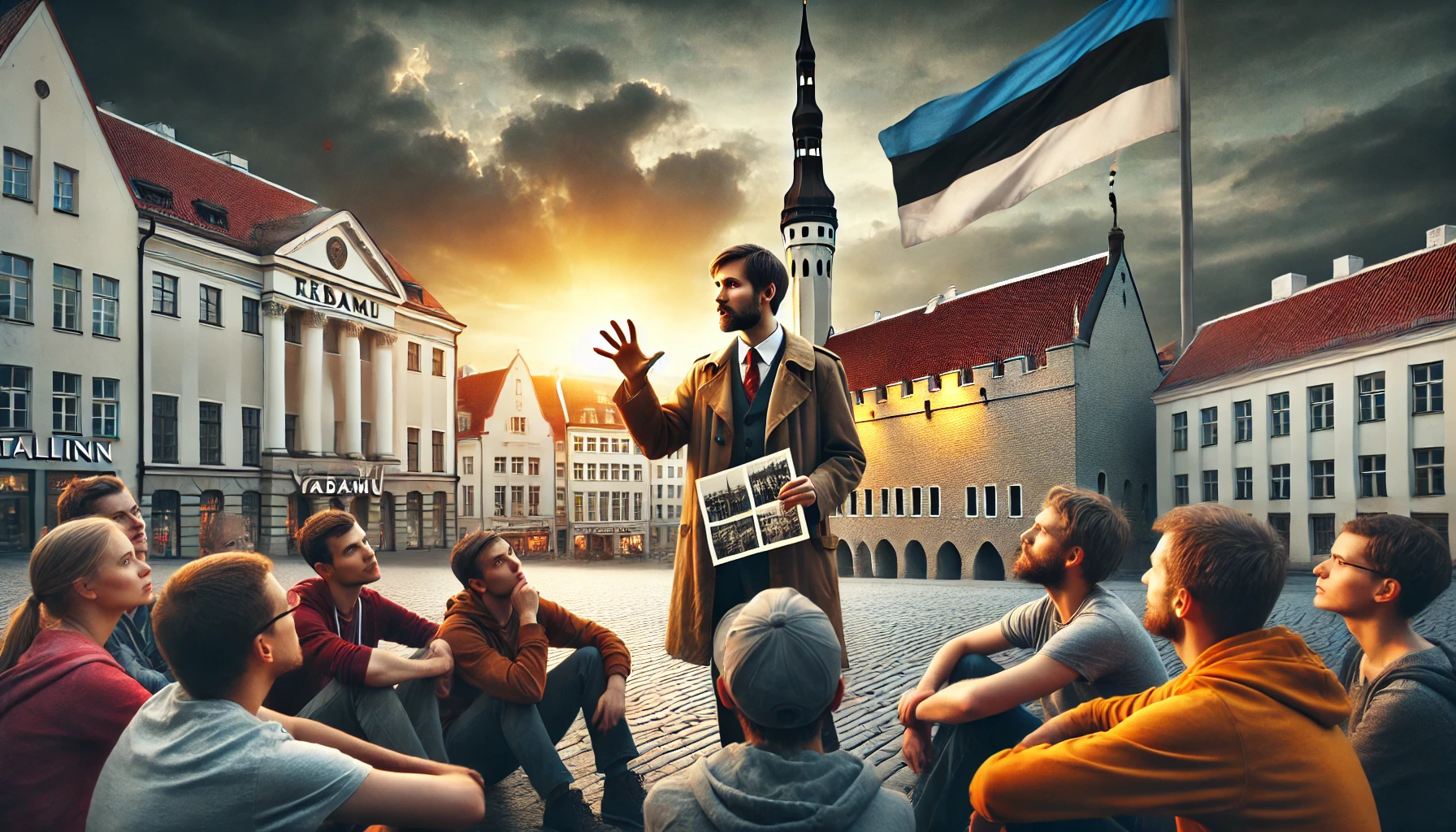
Tallinn is famous for its medieval Old Town, stone towers, and charming streets. Many visitors come to enjoy the beauty and peaceful atmosphere of the city. However, behind this picture-perfect view lies a deep and emotional history shaped by decades of Soviet occupation. For travelers who want to understand the real story of Estonia, Tallinn history tours about Soviet occupation offer a powerful and meaningful experience.
This is not a light topic. The Soviet period changed Estonia’s politics, culture, economy, and personal lives. Families were separated. Many people were deported. Freedom was restricted. Because of this, choosing the right guide is extremely important. Guided soviet era tours of Tallinn should not feel like simple sightseeing. They should feel like an honest journey through memory, truth, and resilience.
Why Tallinn’s Soviet History Deserves Respectful Exploration
Estonia was first occupied by the Soviet Union in 1940. After a short period of Nazi occupation during World War II, Soviet control returned in 1944 and lasted until 1991. For almost fifty years, Estonia lived without independence. During this time, thousands of Estonians were deported to Siberia. Many intellectuals, politicians, and ordinary citizens disappeared. Cultural expression was controlled. The government monitored everyday life.
When visitors join Tallinn history tours about Soviet occupation, they are exploring more than buildings. They are stepping into a time when fear and hope existed side by side. A knowledgeable guide helps travelers understand how life felt under constant control. They explain how people whispered instead of speaking openly. They describe how national identity survived quietly through language, music, and tradition.
This history still feels close for many locals. Some guides grew up during the late Soviet years. Others have family members who experienced deportation or political repression. That personal connection adds depth and honesty to the tour.
The Difference Between a Basic Tour and a Meaningful Experience
Not all tours are the same. Some guides simply repeat facts from a script. They show a former KGB building and move on. They mention dates without explaining emotions. These tours may provide information, but they often lack depth.
In contrast, guided soviet era tours of Tallinn led by experienced and passionate experts create a full narrative. A great guide connects each location to a larger story. For example, when visiting Patarei Prison, they explain who was imprisoned there and why. They talk about interrogation methods, living conditions, and the psychological pressure prisoners faced. They help visitors imagine what it meant to lose freedom overnight.
A skilled guide also explains the Singing Revolution. This peaceful movement in the late 1980s played a major role in restoring Estonia’s independence. Thousands of people gathered to sing national songs that had once been restricted. Music became a symbol of unity and resistance. Without proper explanation, this event may seem simple. With context, it becomes one of the most inspiring stories in modern European history.
Where to Begin Your Search for the Right Guide
Finding a reputable guide requires research. It is better to look beyond generic travel platforms and focus on specialized operators. Local Estonian tour companies that focus on cultural and historical tourism often provide more in-depth experiences. Their websites usually describe the themes of the tour and the background of the guide.
Professional guide associations in Estonia are another good resource. Certified members meet educational and language standards. This ensures the guide can explain complex political and historical topics clearly in English or other languages.
Online reviews can also help, but you should read them carefully. Look for comments that mention deep historical knowledge, personal stories, sensitivity, and thoughtful explanations. Reviews that only describe the tour as “fun” or “entertaining” may not reflect the seriousness of the topic.
Some travelers compare experiences across Europe before choosing a tour. For example, people interested in Eastern European history may also explore experiences like https://get-locals.com/tour/bucharest-private-tour-jewish-legacy-in-bucharest to understand how different countries present difficult chapters of their past. This comparison helps travelers appreciate the importance of knowledgeable and respectful storytelling.
Questions You Should Ask Before Booking
Once you find a potential guide, it is wise to contact them directly. A professional guide will welcome thoughtful questions. You can ask about their connection to Estonia’s 20th-century history. Some may have academic backgrounds. Others may share personal family experiences. Both are valuable, but a combination of research and lived understanding is ideal.
You can also ask how they structure their tour. A strong guide will describe a clear narrative. They may explain how the tour begins with the first occupation, moves through daily life under Soviet rule, and ends with the restoration of independence. This storytelling approach helps visitors see the bigger picture.
It is also important to ask about specific locations. Do they include Patarei Prison, the KGB Museum, or the Lasnamäe district? Do they discuss deportations and resistance movements? Their answers will show how detailed and balanced the tour is.
The Importance of Small Groups and Personal Interaction
Tallinn history tours about Soviet occupation are often more meaningful in small groups or private settings. Smaller groups allow visitors to ask questions and engage in discussion. The topic can raise emotional reactions, and a smaller group provides space for reflection.
Large group tours sometimes move quickly and focus only on major highlights. While this may suit general sightseeing, it may not provide the depth required for understanding Soviet history. A private or small-group tour creates a more personal and thoughtful environment.
Balancing Emotion and Historical Accuracy
The Soviet occupation is a sensitive topic. A responsible guide presents information accurately without exaggeration. They avoid turning suffering into entertainment. At the same time, they do not ignore difficult truths.
Guided soviet era tours of Tallinn should present a balanced perspective. They should acknowledge pain and injustice while also highlighting resilience and cultural survival. Estonia’s story is not only about oppression. It is also about strength, unity, and peaceful resistance.
A good guide explains how ordinary people lived normal lives despite restrictions. They describe schools, workplaces, and social life during Soviet times. This balanced view helps visitors understand that history is complex and human.
Language Skills and Communication Matter
Complex historical topics require clear communication. The guide must be fluent enough in English to explain political systems, legal changes, and social conditions without confusion. Poor language skills can reduce the depth of the experience.
When booking Tallinn history tours about Soviet occupation, always confirm the guide’s language level. A confident and articulate guide can answer questions clearly and adjust explanations based on the audience’s interest.
Recognizing Warning Signs
There are certain red flags to watch for when choosing guided soviet era tours of Tallinn. If the tour description focuses mainly on “fun Soviet nostalgia” or retro decorations, it may lack serious historical depth. While Soviet-era cafés or memorabilia can be interesting cultural details, they should not replace discussions about repression and resistance.
Another warning sign is a vague itinerary. If the description sounds generic and could apply to any Eastern European city, it may not provide authentic insight into Estonia’s unique experience.
If a guide avoids answering your questions before booking or provides short, copy-paste responses, it may indicate a lack of personal involvement.
Why the Right Choice Creates a Lasting Impact
Choosing the right guide is an investment in understanding. When you select a knowledgeable and passionate expert, the experience becomes much more than a tour. You gain insight into how a small nation protected its identity under pressure. You learn how peaceful protest changed history. You leave with respect for the people who lived through those years.
Tallinn history tours about Soviet occupation are not just for history lovers. They are for anyone who wants to understand freedom, resilience, and human dignity. Guided soviet era tours of Tallinn allow visitors to connect emotionally and intellectually with the city.
In the end, the buildings may remain silent, but a skilled guide gives them a voice. They turn cold concrete walls into stories of courage. They transform former prisons into lessons about human rights. They help you see Tallinn not only as a beautiful city, but as a symbol of endurance and hope.
Finding the right guide ensures that this chapter of history is treated with respect, honesty, and depth. When done correctly, the experience stays with you long after you leave Estonia.
