
The future of League of Legends looks incredibly promising as Riot Games continues to innovate and expand the game’s universe. With over a decade of success, League has proven its ability to adapt to changing trends while maintaining its core identity. Looking ahead, several key developments are likely to shape the next chapter of its journey.
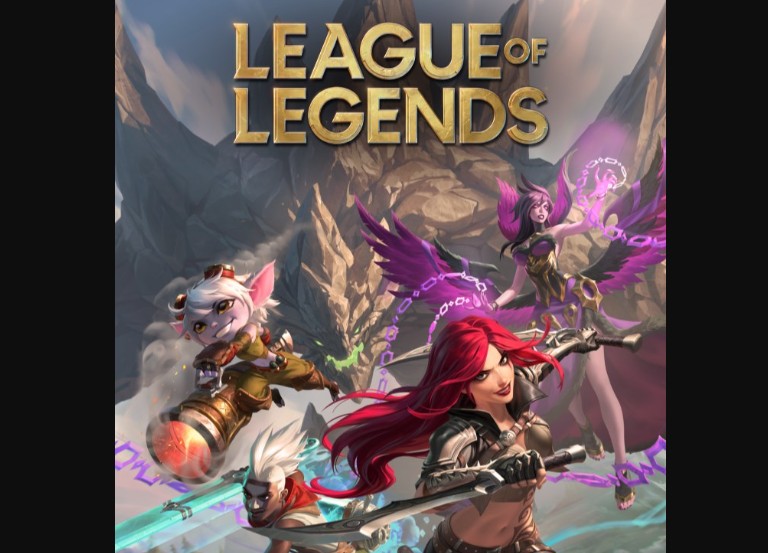
One of the most anticipated aspects of the game’s future is the continuous release of new champions and updates. Riot Games has consistently introduced fresh content to keep the gameplay experience dynamic. Each new champion brings unique abilities and mechanics, challenging players to adapt and learn. In addition, regular balance patches ensure that the game remains fair and competitive.
Technological advancements are also expected to play a significant role. Improvements in graphics, server performance, and matchmaking systems can enhance the overall player experience. As hardware capabilities evolve, League of Legends may incorporate more advanced visual effects and smoother gameplay, making it even more immersive.
Another exciting area of growth is the expansion of the League universe beyond the core game. Riot Games has already explored this through animated series, music projects, and spin-off games. These initiatives deepen the lore and attract new audiences who may not initially be interested in competitive gameplay. By building a rich and interconnected universe, Riot strengthens the franchise’s long-term appeal.
Esports will continue to be a driving force in the game’s future. With increasing investment and global interest, the competitive scene is likely to grow even further. Larger tournaments, improved broadcasting technology, and expanded regional leagues can enhance the viewing experience. This growth not only benefits professional players but also inspires casual players to engage more deeply with the game.
Community engagement remains a cornerstone of League’s success. Riot Games активно listens to player feedback and incorporates it into updates and improvements. This collaborative approach helps maintain trust and ensures that the game evolves in a way that aligns with player expectations. Features such as in-game events, seasonal content, and community-driven initiatives keep players invested.
However, the future also presents challenges. Issues such as player behavior, toxicity, and game balance require ongoing attention. Riot has already implemented systems to address these concerns, but continuous refinement is necessary to maintain a healthy environment. Ensuring inclusivity and fairness will be key to sustaining the game’s global appeal.
The rise of new technologies, such as virtual reality and artificial intelligence, could also influence the future of gaming. While it remains uncertain how these innovations will integrate with League of Legends, they present opportunities for new gameplay experiences and features.
In conclusion, the future of League of Legends is filled with potential. Through innovation, community engagement, and a commitment to quality, Riot Games is well-positioned to keep the game relevant for years to come. As it continues to evolve, League of Legends will likely remain a dominant force in both gaming and esports, captivating players and audiences around the world.
