
Introduction:
Red chilli, with its vibrant color and spicy kick, is a widely used ingredient that has been an integral part of culinary traditions around the world for centuries. Beyond its ability to tantalize taste buds, red chilli also possesses numerous health benefits. In this article, we will delve into the various uses, benefits, and potential side effects of red chilli, shedding light on its role in promoting well-being.
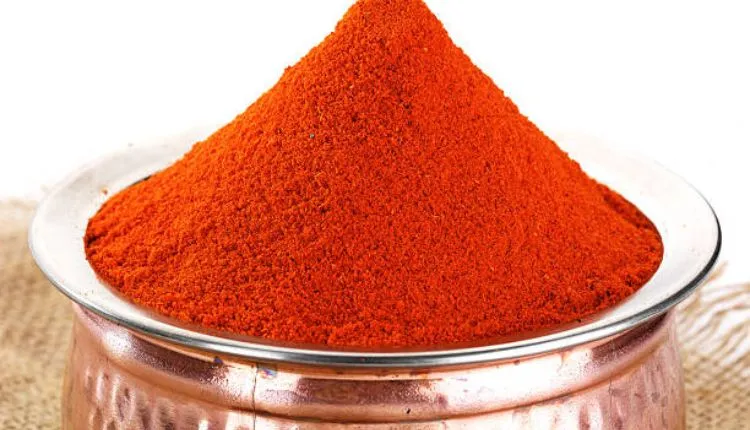
- Culinary Uses of Red Chilli: Red chilli is a staple in many cuisines, adding depth, flavor, and heat to a wide range of dishes. Whether used fresh, dried, or in powdered form, its distinct taste profiles make it an essential ingredient in numerous recipes. From spicy curries to salsas, soups, and marinades, red chilli offers versatility in the kitchen, allowing cooks to experiment and elevate their culinary creations.
II. Nutritional Profile and Health Benefits:
- Rich in Vitamins and Minerals: Red chilli peppers are packed with essential nutrients such as vitamin C, vitamin A, potassium, and iron. These nutrients play vital roles in supporting a healthy immune system, maintaining optimal vision, and promoting proper blood circulation.
- Antioxidant Properties: Red chilli contains capsaicin, the compound responsible for its spicy heat. Capsaicin is known to possess potent antioxidant properties, which help fight free radicals and reduce oxidative stress in the body. This, in turn, may lower the risk of chronic diseases like cancer and cardiovascular ailments.
- Pain Relief and Anti-Inflammatory Effects: Capsaicin in red chilli is also recognized for its analgesic properties. It is commonly used in topical creams and ointments to alleviate pain and reduce inflammation, particularly in conditions such as arthritis, muscle sprains, and neuropathic pain.
- Metabolism and Weight Management: Red chilli peppers have been found to boost metabolism and aid in weight management. The capsaicin present in red chilli can increase thermogenesis, which is the process of heat production in the body, thereby increasing calorie expenditure and potentially promoting weight loss.
- Cardiovascular Health: Red chilli has been associated with several cardiovascular benefits. It may help in lowering blood pressure, reducing cholesterol levels, preventing the formation of blood clots, and improving blood circulation, thus contributing to heart health.
III. Potential Side Effects and Precautions:
While red chilli offers various health benefits, it is important to be mindful of potential side effects and take necessary precautions:
- Gastric Discomfort: Excessive consumption of red chilli can cause digestive issues such as heartburn, stomach ulcers, and gastritis in some individuals. Moderation is key, especially for those with existing gastrointestinal conditions.
- Allergies: Red chilli may trigger allergic reactions in some people, leading to symptoms like skin rashes, itching, swelling, or difficulty breathing. If you experience any adverse reactions after consuming red chilli, seek medical attention immediately.
- Interaction with Medications: Red chilli may interact with certain medications, particularly blood-thinning drugs, antacids, and antihypertensive medications. Consult with your healthcare provider if you have any concerns or are taking medications regularly.
Conclusion:
Red chilli, with its fiery allure and distinctive flavor, holds a prominent place in the culinary world. Beyond its ability to add a punch to dishes, red chilli brings along a host of health benefits, ranging from its antioxidant properties and pain relief effects to its potential role in weight management and cardiovascular health. However, it is crucial to consume red chilli in moderation and be aware of potential side
